Klei Entertainment has carved a distinct niche in the gaming landscape, renowned for crafting titles that seamlessly blend intricate mechanical systems with unique, often hand-drawn, art styles. Their impressive portfolio, featuring critically acclaimed games like Don’t Starve and Oxygen Not Included, showcases a studio adept at creating challenging yet deeply rewarding gameplay loops. With their latest offering, Rotwood, Klei ventures into the dynamic world of the roguelite brawler, delivering a vibrant and chaotic adventure that feels both familiar in its quality and fresh in its execution.
After a substantial two-year period in Early Access on PC, during which it garnered significant community feedback and iterative development, Rotwood officially launched its 1.0 version on March 3, 2026. This full release marked not only the conclusion of its core narrative but also introduced a brand-new final boss encounter and challenging endgame content in the form of "Superfrenzy" modes. Adding to the excitement, Klei surprised the gaming world with a simultaneous debut on the Nintendo Switch 2, announced during a thrilling shadow-drop at the latest Nintendo Indie World Showcase. This comprehensive Rotwood Review will delve into what makes Klei's co-op brawler stand out, from its engaging combat to its expansive endgame.
Klei's Latest Evolution: From Survival to Co-op Roguelite
Klei Entertainment has consistently pushed boundaries, evolving from the harsh survival mechanics of Don’t Starve to the complex resource management of Oxygen Not Included. With Rotwood, the studio demonstrates its versatility by tackling the roguelite brawler genre head-on, proving that their signature blend of art and deep gameplay can adapt to new formats. Rotwood transports players to a world consumed by corruption, where once-serene forests known as the Rotwood have become twisted, monster-infested landscapes.
The game’s core premise is elegant: players take on the role of resilient hunters defending their sanctuary from these corrupted beasts. Each expedition into the Rotwood is a high-stakes roguelite run, requiring players to defeat formidable monsters, gather precious materials, and progressively fortify their home base. While the game is fully playable solo, it becomes immediately apparent that Rotwood is designed to shine brightest when experienced with friends. The chaotic energy of battling alongside teammates, strategizing on the fly, and reviving downed allies creates an exhilarating cooperative experience that few games in the genre can match.
The journey from Early Access to a full 1.0 launch is often a rocky one for many developers, but Klei’s methodical approach has paid dividends. The two years of refinement on PC allowed the team to fine-tune mechanics, balance weapons, and integrate player feedback, culminating in a polished and feature-rich final product. The simultaneous launch on the Nintendo Switch 2 was a masterstroke, broadening Rotwood’s audience significantly and bringing its unique brand of action to a new console generation right out of the gate. For long-time fans of Klei, Rotwood represents an exciting new chapter, maintaining the studio's commitment to quality while exploring fresh gameplay territories.
Diving into the Rotwood: A World of Twisted Beauty and Peril
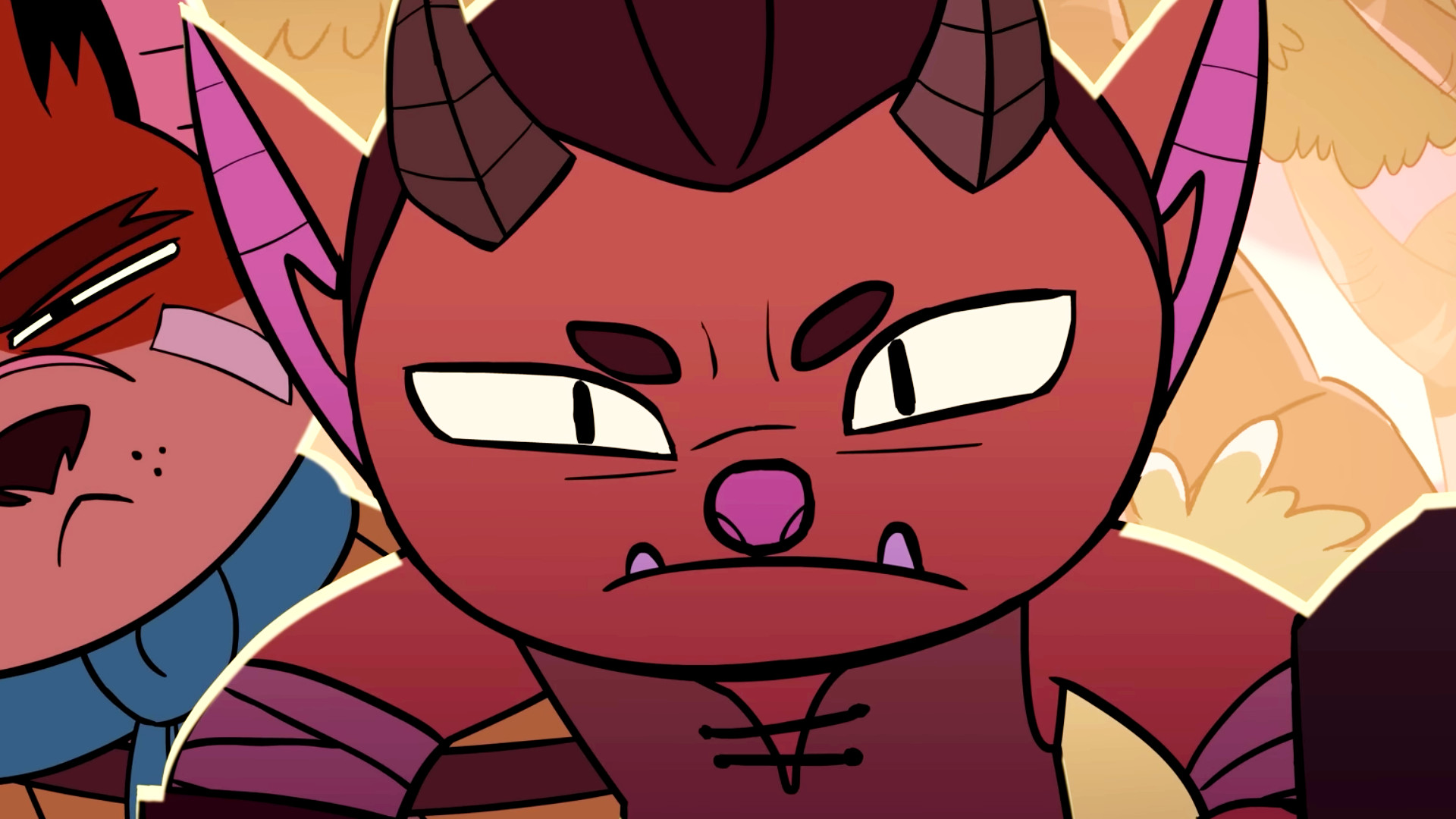
The world of Rotwood is a character in itself, masterfully crafted with Klei's distinctive art style. The vibrant yet menacing visuals depict a forest in turmoil, where familiar flora and fauna have been grotesquely warped by a mysterious corruption. Every region players venture into tells a story through its environmental design, immersing them in the game’s somber yet captivating atmosphere, even with a narrative that is intentionally light on explicit exposition.
At the heart of Rotwood’s replayability lies its robust roguelite structure. Each foray into the Rotwood is a unique expedition, as players navigate through procedurally generated, branching landscapes. This means that no two runs are ever exactly alike, ensuring a constant sense of discovery and adaptability. Different layouts, enemy compositions, and randomized power-ups keep every journey feeling fresh and unpredictable. Successfully completing a run not only progresses your understanding of the Rotwood but also brings back valuable resources to your safe haven.
Back at camp, the materials gathered from your perilous hunts are used to craft new weapons, upgrade existing gear, and enhance your character’s abilities. This persistent progression system ensures that even failed runs contribute to your overall strength, making subsequent attempts more manageable and rewarding. The loop of venturing out, battling monsters, gathering loot, and returning to upgrade is incredibly addictive, perfectly encapsulating the 'just one more run' appeal that defines the best roguelite titles.
Precision Brawling: The Heart of Rotwood's Combat
Unlike many roguelites that might lean into chaotic button-mashing, Rotwood's combat system demands and rewards precision, timing, and strategic positioning. It feels less like a typical dungeon crawler and more akin to a classic side-scrolling brawler, where every attack, dodge, and special ability matters. This emphasis on skill over sheer brute force is a core differentiator, making each encounter a dance of calculated aggression and defensive maneuvers. For a deeper dive into the nuances of its combat, be sure to check out our article: Rotwood Review: Precision Combat Makes Klei's Brawler Stand Out.
Each weapon in Rotwood possesses a unique rhythm and moveset, encouraging players to truly master their chosen arsenal. From swift, agile blades that allow for rapid combos and evasions to heavy, impactful weapons that stagger foes with devastating blows, there’s a playstyle for everyone. Learning enemy attack patterns, understanding their tells, and perfectly timing a dodge or a counter-attack are crucial for survival. The clear and consistent hitboxes ensure that when damage is taken, it's almost always a consequence of a misjudged move or a mistimed evasion, rather than arbitrary luck. This design philosophy fosters a sense of fairness and profound satisfaction when players successfully chain combos, weave through enemy attacks, and emerge victorious from challenging encounters.
Before embarking on an expedition, players carefully select their weapon and gear loadout. This choice significantly impacts strategy, especially in co-op, where complementary builds can turn the tide of battle. Experimentation is highly encouraged, as discovering synergies between different weapons, trinkets, and upgrades is a key part of Rotwood's charm. Whether you prefer to be a frontline tank, a nimble damage dealer, or a supportive utility role, the game offers ample opportunities to craft a build that suits your preferred style and contributes effectively to your team's success.
The 1.0 Launch & Beyond: Endgame, New Bosses, and Console Debut
The transition from Early Access to version 1.0 brought with it significant enhancements that solidify Rotwood’s standing as a complete and compelling experience. The full narrative conclusion provides a satisfying resolution to the game's mysterious lore, offering context and purpose to the endless cycle of monster hunting. More importantly, the introduction of a new final boss encounter gives players a definitive challenge to overcome, testing all the skills and strategies they’ve honed throughout their journey. For comprehensive details on the exciting additions that came with the full launch, take a look at: Rotwood 1.0 Review: Endgame, New Boss, & Switch 2 Launch Explored.
Beyond the main story, Rotwood introduces "Superfrenzy" challenges—a robust endgame system designed to push even the most seasoned hunters to their limits. These challenges ramp up difficulty, introduce new modifiers, and offer unique rewards, ensuring that the gameplay loop remains fresh and engaging long after the credits roll. This commitment to robust post-story content is a testament to Klei's understanding of the roguelite genre, where replayability and continuous challenge are paramount.
The surprise debut on the Nintendo Switch 2 is also a major win for Rotwood. The game's vibrant art style and action-packed combat are a natural fit for the console, offering a high-quality portable experience. The performance on the new hardware is remarkably smooth, ensuring that the precision combat remains fluid and responsive whether playing docked or handheld. This expansion to a major console platform is expected to significantly grow Rotwood's player base, fostering an even more active and thriving co-op community. Klei has not just delivered a complete game; they've delivered a platform for ongoing adventure and shared experiences.
Conclusion
Rotwood stands as another testament to Klei Entertainment's unwavering commitment to quality, creativity, and engaging gameplay. It successfully reinterprets the roguelite brawler genre with its distinctive art style, deeply satisfying precision combat, and strong emphasis on cooperative play. The journey from Early Access to a polished 1.0 release, complete with a narrative conclusion, challenging endgame, and a high-profile Nintendo Switch 2 debut, showcases a development team at the top of their game. While enjoyable solo, Rotwood truly flourishes when shared with friends, creating memorable moments of chaotic triumph and strategic teamwork. For fans of challenging action, cooperative gameplay, and Klei's unique charm, Rotwood is an absolute must-play that delivers a strong debut and promises countless hours of beast-hunting fun.